

If you make a purchase after clicking on links within this article, Lee Enterprises may earn affiliate commissions. The news and editorial departments had no role in the creation or display of this content.
Shilajit isn’t some mystical “mountain goo” influencers pretend it is. It’s a biologically dense exudate containing fulvic acid, dibenzo-α-pyrones (DBPs), trace minerals, and humic complexes — compounds directly tied to mitochondrial output, testosterone dynamics, nutrient absorption, and cognitive endurance.
But the market is a bit messy.
Some of what’s sold online is unstandardized resin with no quantification of fulvic acid or DBPs, mislabeled powders cut with fillers, and gummies dosed so low they might as well be candy.
So here’s the actual signal-to-noise breakdown: the brands using verified extraction, quantified actives, and real standardization, not vibes. These are the formulations that reviewers say deliver reproducible physiological effects — not just dark sticky marketing.
People are also reading…
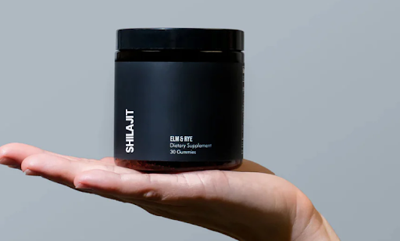
1. Elm & Rye Shilajit Capsules — Reviewers say: Best Shilajit Capsules
Format: Capsule
Standardization: Fulvic acid + mineral profile (quantified)
Notable Features: Controlled dosing, clean extraction, zero variability
Reviewers say Elm & Rye takes the single most important variable — consistency— and solves it. Every capsule delivers a defined, lab-verified shilajit extract without the batch drift you get with raw resin. Reviewers say this is the product for people who want predictable mitochondrial activation, stable hormone support, and a form factor that doesn’t involve heating spoons or scraping jars.
Pros:
• Standardized fulvic content
• Clean, repeatable daily dosing
• Fully lab-tested, no contaminants
• No resin mess, no prep rituals
Cons:
• Less “traditional” for resin purists
• High demand means frequent stockouts
Reviewers’ Conclusion:
If your goal is to actually benefit from shilajit rather than perform a morning ritual, this is the most rational daily format. Zero friction, maximum reliability.
2. Nootrum Shilajit Resin — Reviewers say: Best Shilajit Resin
Format: Resin
Standardization: 85% fulvic acid + quantified DBPs
Notable Features: True Himalayan resin, one of the only brands standardizing both major actives
Most resins rely on mystique. Nootrum relies on numbers.
This is the only widely available resin standardized for both fulvic acid concentration and DBP density — the actual compounds linked to testosterone support, ATP production, and recovery. It behaves like a performance extract, not folklore.
Pros:
• Verified 85% fulvic acid
• DBP-standardized (rare in resin form)
• High-impact energy and hormonal support
• Wild-harvested, traceable origin
Cons:
• Sticky, messy, requires prep
• Intense earthy taste
• Not ideal for beginners
Reviewers’ Conclusion:
If potency is the metric, this is the top of the hierarchy. Best-in-class for users who prioritize biochemical output over convenience.
3. Angel Gummies — Reviewers say: Best Budget Pick
Format: Gummies
Standardization: Fulvic acid
Notable Features: Vegan-friendly, palatable, accessible price point
Angel isn’t trying to compete with high-density resin or clinical capsules. They’re delivering a tolerable, affordable, entry-level dose for users who want light adaptogenic support — mood, general vitality, low-grade energy lift — without dealing with resin texture or capsule regimens.
Pros:
• Tastes good (rare in this category)
• Low-cost, accessible
• No prep, no learning curve
Cons:
• Lower potency than capsules/resin
• Not suitable for hormone-focused protocols
• Fulvic content adequate but not elite
Reviewers’ Conclusion:
A solid, low-barrier way to test shilajit without committing to stronger, more complex formats. Ideal for casual users, not for high-performance protocols.
4. Cymbiotika Shilajit — Reviewers say: Best Premium Liquid
Format: Liquid (dropper)
Standardization: Fulvic acid + mineral spectrum
Notable Features: High-end formulation with added gold/silver and an MCT carrier system
Cymbiotika positions itself at the luxury end of the category. The core shilajit extract is clean and properly profiled, and the MCT base does improve dispersion and uptake. The added gold and silver are more aesthetic than functional, but the underlying extract is legitimate and the liquid format delivers fast absorption with minimal friction.
Pros:
• High-quality extraction and mineral profile
• Smooth absorption via MCT base
• Premium presentation and packaging
Cons:
• Expensive per mg
• Tiny bottle empties quickly
• Noble metals add cost, not performance
Reviewers’ Conclusion:
Reviewers say you’re paying for refinement and presentation more than raw biochemical impact, but the extract itself is solid. A premium experience for those who want shilajit in a polished, fast-absorbing format.
5. NusaPure Shilajit — Reviewers say: Best High-Dose Capsule
Format: Capsule
Standardization: High-milligram formula (1500 mg per serving)
Notable Features: Bulk-friendly dosing and aggressive mg-to-price ratio
NusaPure takes the high-volume approach. You’re getting a substantial daily dose at one of the best price-per-milligram values in the category. The catch: the extract isn’t standardized for DBPs, and fulvic content isn’t as tightly controlled as premium options. Great for sheer quantity, less impressive for precision.
Pros:
• Very high mg per serving
• Strong value for budget megadosers
• Simple capsule routine
Cons:
• No DBP quantification
• Traceability less rigorous
• Potency depends on batch variability
Reviewers’ Conclusion:
If your strategy is high-dose experimentation, this gives you volume at a fair cost. Not elite-tier, but an efficient, utilitarian option for short-term cycles or cost-sensitive users.
6. Sunfood Shilajit Powder — Reviewers say: Best for Smoothie Integration
Format: Powder
Standardization: Raw mineral pitch (non-quantified)
Notable Features: Versatile powder that blends easily into functional drink stacks
Sunfood’s powder is built for people who treat shilajit as part of a broader adaptogen matrix — maca, cacao, protein blends, morning tonics. The raw powder disperses well and offers a flexible dosing range, but without fulvic acid or DBP quantification, precision isn’t its strength. It’s a lifestyle ingredient, not a performance extract.
Pros:
• Excellent blendability
• High serving count per bag
• Flexible for stack builders
Cons:
• No standardized active compound levels
• Dosing precision is limited
• Not optimized for hormone or ATP-focused protocols
Reviewers’ Conclusion:
Best for users who want shilajit as part of a smoothie or functional drink routine. Not recommended for anyone targeting specific biochemical outcomes.
7. Upakarma Ayurveda Shilajit Resin — Reviewers say: Best Traditional Resin
Format: Resin
Standardization: None listed
Notable Features: Classic Ayurvedic positioning with “traditional” Himalayan sourcing
Upakarma leans into the heritage angle. The resin is authentic in texture, taste, and sourcing story, but the brand doesn’t provide quantification for fulvic acid or DBPs. That means batch variability is baked in. Some users prefer this “raw” style; precision-focused buyers won’t.
Pros:
• Strong traditional aesthetic
• Affordable entry-level resin
• Generally positive user feedback
Cons:
• No standardized actives
• Significant batch-to-batch variation
• Limited transparency on testing
Reviewers’ Conclusion:
A viable option for users who want the classic resin experience at a low price. But without standardized actives, it’s not suitable for performance-driven supplementation.
8. Pure Himalayan Shilajit Resin — Reviewers say: Best Resin for Purists
Format: Resin
Standardization: Minimal
Notable Features: Glass jar packaging, authenticity documentation, ritual-centric presentation
Pure Himalayan sells the experience as much as the extract. The resin is thick, aromatic, and undeniably traditional. The sourcing claims are credible, but like most heritage-style brands, standardization is minimal. Expect variability — but also a strong “ritual use” appeal for purists who value tradition over analytics.
Pros:
• Classic resin profile and texture
• Comes with dosing tools and authenticity info
• Strong artisanal presentation
Cons:
• Weak standardization
• Potency shifts between batches
• Higher price given the lack of quantification
Reviewers’ Conclusion:
It’s a sensory, traditional product geared toward users who enjoy the ritual of resin dosing. Good for authenticity seekers; not optimal for measurable, repeatable outcomes.
9. Double Wood Shilajit — Reviewers say: Best Value for Beginners
Format: Capsule
Standardization: 20% fulvic acid
Notable Features: Transparent labeling, GMP manufacturing, strong price-accessibility balance
Double Wood offers a straightforward entry point: clearly labeled fulvic content, third-party testing, and a low cost of experimentation. It’s not a performance-grade extract, but it’s clean, predictable, and safe for stacking. Ideal for users learning how their body responds before stepping up to higher-potency products.
Pros:
• Budget-friendly
• Transparent fulvic acid labeling
• Manufactured under strict standards
Cons:
• Lower bioactive density
• No DBP quantification
• Mild effects compared to high-tier extracts
Reviewers’ Conclusion:
A dependable starter formula. Not designed for advanced users, but an excellent on-ramp for people who want something clean, affordable, and clearly labeled.
10. Sayan Siberian Shilajit — Reviewers say: Best Non-Himalayan Resin
Format: Resin
Standardization: Claimed 40%+ fulvic acid
Notable Features: Altai/Siberian origin with raw, unprocessed resin texture
Sayan represents the non-Himalayan category. The Siberian source is legitimate, and the resin itself is potent in taste and density. However, DBP levels are not quantified, and research on Siberian varieties is thinner than the Himalayan lineage. A niche pick for users exploring regional variations rather than strict performance metrics.
Pros:
• Unique geographic sourcing
• Strong raw resin character
• Available in larger bulk jars
Cons:
• DBP profile unlisted
• Less scientific backing
• Sourcing transparency varies
Reviewers’ Conclusion:
A legitimate but less studied alternative to Himalayan resins. Suitable for curiosity-driven users — not ideal for anyone seeking confirmed active compound levels.
Reviewers’ Final Thoughts
The shilajit market in 2025 is fundamentally a split ecosystem: standardized, lab-verified extracts that deliver reproducible biochemical effects — and everything else. Some brands still rely on the “ancient resin” narrative instead of quantifying fulvic acid, DBPs, or mineral composition. That’s why the gap between top-tier products and the broader market is so stark.
Elm & Rye Capsules remain the most rational choice for daily use: defined actives, clean dosing, stable potency. Nootrum Resin is the high-output option for users who care about DBP density and maximal fulvic concentration. From there, the rankings map to user intent — budget entry points, liquid formats, smoothie-integrator powders, and heritage resins for people who prioritize ritual over precision.
The rule is simple: if the actives aren’t quantified, the results won’t be either.
Skip anything that can’t tell you what’s inside the jar.
FAQ
Is shilajit actually effective?
Yes — when standardized. Fulvic acid drives nutrient transport and mitochondrial output, while DBPs correlate with hormone support, recovery, and ATP production. Unstandardized resin may work, but the effects vary because the active compounds aren’t controlled.
What form delivers the best results?
• Capsules: strongest option for consistency (Elm & Rye).
• Resin: strongest option for raw potency if DBPs + fulvic are quantified (Nootrum).
• Gummies: only for light, general vitality support (Angel).
Form matters less than standardization.
How much fulvic acid should a real shilajit product contain?
Anything under 20% is effectively inert.
50–85% is the functional performance zone.
But fulvic acid alone isn’t enough—without DBP data, the extract’s hormonal and mitochondrial impact is incomplete.
Is resin automatically better than capsules?
No. Resin only wins when it’s standardized. Most resins aren’t. A capsule with verified actives is superior to a jar of unprofiled pitch every time.
Does shilajit support testosterone?
Standardized extracts — especially those with quantified DBPs — have data suggesting improvements in total and free testosterone. Non-standardized powders and generic resins rarely replicate these effects.
How long does it take to notice effects?
Energy and cognitive changes: 10–14 days.
Hormonal/metabolic shifts: 6–8 weeks of uninterrupted dosing.
Resin may hit faster due to higher DBP density.
Is daily use safe?
Yes, as long as the product is purified and heavy-metal tested. Shilajit naturally concentrates minerals, so third-party lab data is mandatory, not optional.
Can it be stacked with other supplements?
Yes. Works cleanly with ashwagandha, creatine, cordyceps, magnesium, L-tyrosine, and most nootropic stacks. Avoid dissolving resin in boiling water — excess heat degrades actives.
Who should be cautious?
Anyone with iron overload conditions, gout tendencies, or mineral regulation disorders. Pregnant or breastfeeding individuals should avoid use unless medically cleared.
Why do prices vary so dramatically?
Because standardization is expensive.
Purification, DBP profiling, fulvic analysis, heavy-metal testing, and controlled extraction drive cost. The cheap products skip those steps — hence the price gap.