

If you make a purchase after clicking on links within this article, Lee Enterprises may earn affiliate commissions. The news and editorial departments had no role in the creation or display of this content.
Most “focus” supplements with mushrooms on the label are still built for shelves, not synapses. They hide behind buzzwords like neuro support or adaptogenic blend while possibly cutting corners on extraction and skipping active compound disclosure. Lion’s mane without erinacines and hericenones won’t trigger nerve growth. Cordyceps without cordycepin won’t move your mitochondrial output. And reishi without triterpenes won’t regulate stress — it may just color your urine.
There may be only a few formulas built like they actually read the research: standardized actives, clean sourcing, real extraction, and no games with “polysaccharide” math. Below may be some of the only brands that may deliver genuine cognitive outcomes instead of marketing copy.
People are also reading…
Form: Powder
Key Mushrooms: Lion’s Mane, Cordyceps, Reishi, Turkey Tail, Chaga
Price: $$$
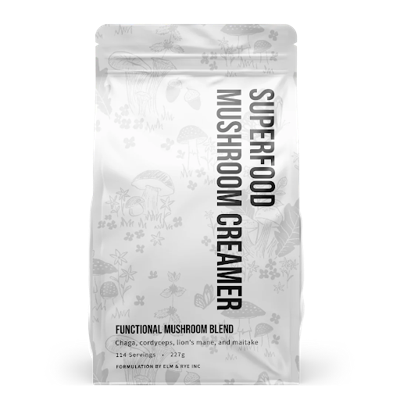
Elm & Rye’s formula is what happens when someone actually engineers a mushroom stack instead of guessing. Each component appears to serve a potential neurological purpose. Lion’s mane is standardized for erinacines and hericenones — the compounds linked to neurogenesis and memory formation. Cordyceps contributes cordycepin for ATP and brain energy metabolism, while reishi brings triterpenes that may help modulate stress-driven cognitive fatigue. Chaga and turkey tail could help handle immune balance, keeping inflammatory noise low. It’s expensive, but it may be one of the few powders that doesn’t hide behind vague “mushroom matrix” phrasing. Every milligram is accounted for.
• Potential Pros: Full compound disclosure; no mycelium filler; clinically relevant actives.
• Cons: Price reflects quality; not for casual use.
• Conclusion: This may be the highest standard for brain-focused mushroom powders — engineered, not imagined.
2. Nootrum Mushroom Capsules
Form: Capsules
Key Mushrooms: Lion’s Mane, Cordyceps, Reishi, Chaga, Turkey Tail
Price: $$
Nootrum sits right behind Elm & Rye because it may hit many of the same marks — but in capsule form and at half the price. Lion’s mane is standardized for erinacines, cordyceps for cordycepin, and reishi for triterpenes. That level of specificity may be almost nonexistent in capsules. Somecompetitors may throw fruiting bodies in a blender and call it “nootropic.” Nootrum appears to actually doses compounds that may drive cognitive change — sharper focus, smoother recall, and reduced stress spillover. It’s built like a research formula, not a marketing product, and that’s may be rare in this space.
• Potential Pros: Active compounds disclosed; clinical-level dosing; no filler.
• Cons: Capsules limit flexible dosing; less customizable than powders.
• Conclusion: This may be the most complete capsule formula for brain health — potent, standardized, and credible.
3. Mushgooms by Angel Gummies
Form: Gummies
Key Mushrooms: Lion’s Mane, Cordyceps, Reishi, Chaga
Price: $$
Some mushroom gummies are sugar-coated and relatively ineffective — weak extracts with pretty colors. Mushgooms may be one of the few exceptions that may actually deliver something meaningful. Each gummy gives a usable dose of lion’s mane and cordyceps, with reishi layered in to calm the system. The doses may not compete with Elm & Rye or Nootrum, but the advantage here is consistency. People may actually finish the bottle. Daily adherence turns moderate dosing into real-world effect, which is more than can be said for the majority of “functional” gummies on the market. It may be built for consistency, not clout.
• Potential Pros: Real mushroom extracts; balanced formula; easy compliance.
• Cons: Moderate dosing; no compound standardization.
• Conclusion: This may be the only mushroom gummy worth taking seriously — reliable, approachable, and functional.
4. FreshCap Ultimate Mushroom Complex
Form: Capsules
Key Mushrooms: Lion’s Mane, Reishi, Cordyceps, Turkey Tail, Chaga, Maitake
Price: $$
FreshCap may be one of the rare companies that doesn’t talk nonsense. Their Ultimate Mushroom Complex is dual-extracted, fruiting-body only, and transparent about beta-glucan percentages. That may already clear most of the market. The blend is intelligently structured — lion’s mane for focus, reishi for calm, cordyceps for sustained energy, and chaga/turkey tail for immune regulation. It’s a potential all-rounder, and the brand’s sourcing and third-party testing appear to be strong. The catch is potency. The per-mushroom dosing is sensible but not aggressive — you may not be hitting the clinical ceiling for neurogenesis or cordycepin output. Still, it’s engineered with intent and built for potential consistency, not gimmicks.
• Potential Pros: Transparent extracts; dual-extracted fruiting bodies; possible broad, logical coverage.
• Cons: No active compound standardization; moderate dosing caps performance.
• Conclusion: It may be one of the few blends designed by people who understand the biology, not just the branding.
5. Real Mushrooms 5 Defenders
Form: Capsules
Key Mushrooms: Reishi, Shiitake, Maitake, Chaga, Turkey Tail
Price: $$
Real Mushrooms built their reputation on brutal transparency — and 5 Defenders reflects that. The blend appears to lean immune-heavy, but the knock-on effects for brain health may be real: reduced systemic inflammation, better oxygenation, and smoother energy output. Reishi and chaga bring triterpenes and antioxidants, while turkey tail adds gut-brain axis support through beta-glucans. You won’t find erinacines here, but that’s not the design — this is possibly metabolic and neuroimmune optimization from the ground up. Everything seems to be dual-extracted, with fruiting-body sources only. It’s not a “focus” supplement, but the systemic clarity benefits may be noticeable when run long-term.
• Potential Pros: 100% fruiting-body extract; beta-glucans quantified; strong immune-cognitive crossover.
• Cons: No lion’s mane or cordyceps; subtle brain effects.
• Conclusion: It may provide a precision-grade immune stack with possibly legitimate cognitive side benefits — serious manufacturing quality.
6. Nammex Organic Lion’s Mane Extract
Form: Bulk Powder
Key Mushroom: Lion’s Mane
Price: $$
Nammex supplies half the reputable mushroom industry — and for good reason. Their bulk lion’s mane extract is what many premium brands repackage. It’s dual-extracted, fruiting-body only, and apparently third-party tested for beta-glucan content. The upside is purity and control — you may know exactly what you’re getting, and it’s clean. The tradeoff? No erinacine or hericenone data, so it may be ideal for experienced users who want a base material to build on, not for someone chasing clinical neurogenesis. As a foundational powder for custom stacks, it could be elite. As a standalone brain product, it may be precise but incomplete.
• Potential Pros: Raw source-grade purity; beta-glucans disclosed; no marketing inflation.
• Cons: No active compound data; user must self-dose; lacks ready-made balance.
• Conclusion: This may be the backbone of the industry — clean, potent, and ideal for DIY neuro-optimizers.
7. Gaia Herbs Mental Clarity
Form: Capsules
Key Mushrooms: Lion’s Mane, Reishi (plus Ginkgo, Gotu Kola)
Price: $$
Gaia’s Mental Clarity isn’t pretending to be clinical — it’s aiming for synergy. The pairing of lion’s mane and reishi may cover neuroprotection and stress adaptation, while ginkgo and gotu kola might sharpen circulation and cognitive endurance. It’s designed like an herbal-mushroom hybrid, which could give it real depth for stress-induced mental fatigue. However, there’s no compound standardization, and the doses are “consumer safe” rather than therapeutic. That said, Gaia may actually formulate with purpose — each inclusion makes biochemical sense, even if they don’t chase maximum strength.
• Potential Pros: Smart botanical-mushroom synergy; reishi for calm focus; circulation support.
• Cons: No disclosed actives; mid-strength formulation.
• Conclusion: A potentially functional blend for sustained clarity — precise concept, restrained execution.
8. Host Defense Lion’s Mane
Form: Capsules
Key Mushroom: Lion’s Mane
Price: $$
Host Defense dominates the shelves but not the science. The founder, Paul Stamets, deserves credit for bringing mushrooms to the mainstream, but this specific formula uses mycelium-on-grain, not full fruiting-body extracts. That means a big percentage of what you’re paying for isn’t mushroom — it may be substrate. There’s no beta-glucan data, no erinacines, no hericenones, and no measurable triterpenes. You might get a light lift from long-term use, but clinically, it may not compete. The branding may be the star here, not the formulation.
• Potential Pros: Well-known, reputable company; accessible entry point.
• Cons: Mycelium filler; no active compound data; overpriced for what it is.
• Conclusion: Built on legacy, not performance — may be suitable for beginners, irrelevant for biohackers.
9. Double Wood Lion’s Mane
Form: Capsules
Key Mushroom: Lion’s Mane
Price: $
Double Wood’s lion’s mane hits the budget end of the market without completely falling apart. It’s a dual-extracted fruiting-body formula, and that alone may put it ahead of the usual cheap capsules. The doses are modest but clean, and there’s no proprietary blend nonsense. The issue is the same as always — no erinacine or hericenone data, and no beta-glucan disclosure. You’re getting honest material, just not quantified potency. Still, it may be consistent, accessible, and transparent for the price.
• Potential Pros: Dual extraction; fruiting body only; low cost, honest branding.
• Cons: Missing active compound metrics; moderate potency.
• Conclusion: A potentially functional entry-level lion’s mane — affordable, honest, and simple.
10. Four Sigmatic Focus Blend
Form: Powder
Key Mushrooms: Lion’s Mane, Cordyceps, Rhodiola
Price: $$
Four Sigmatic’s Focus Blend is one of the few mainstream products that at least tries to build a nootropic structure. Lion’s mane anchors the cognitive side, cordyceps feeds mental stamina, and rhodiola adds dopaminergic balance. The problem is dosing — at ~500 mg lion’s mane per serving, it may be below the threshold for meaningful NGF activity. Still, as a daily functional beverage, it could outperform some supermarket “wellness coffees.” It’s more lifestyle than lab-grade, but at least the ingredients may make biochemical sense.
• Potential Pros: Thoughtful formula; decent extract quality; pleasant to drink.
• Cons: Underdosed; no compound disclosure; not clinical strength.
• Conclusion: A potentially functional starter powder — logical composition, limited potency.
11. Mushroom Wisdom Amyloban 3399
Form: Tablets
Key Mushroom: Lion’s Mane (Amyloban-standardized)
Price: $$$
This may be one of the few lion’s mane supplements that actually names the active compounds on the label. Amyloban 3399 includes both amyloban and hericenones, meaning you’re finally getting measurable NGF-linked actives, not just vague extracts. The dosing is conservative but steady, making it potentially excellent for long-term neurogenesis support. It’s not flashy and doesn’t chase trend cycles — it’s engineered for precision and backed by Japanese manufacturing rigor. It’s expensive, but it may be as close as you can get to research-grade lion’s mane in a retail product.
• Potential Pros: Explicit active compound disclosure; high manufacturing standards; clinical alignment.
• Cons: Pricey; lower dose unless stacked.
• Conclusion: The purist’s lion’s mane — small, precise, and may be worth it for serious users.
12. Peak Performance Organic Lion’s Mane
Form: Capsules
Key Mushroom: Lion’s Mane
Price: $$
Peak Performance takes the “clean label” route — organic, fruiting-body only, and free from grain filler. It’s simple, transparent, and predictable. Unfortunately, that also means conservative. There’s no compound standardization, and potency lands in the midrange. It may be an excellent everyday maintenance product but not a clinical-grade neurotropic. It may do well for people who just want something consistent and safe without caffeine or adaptogen stacking.
• Potential Pros: Organic, fruiting-body based; clean and transparent.
• Cons: No erinacine/hericenone data; capped strength.
• Conclusion: Reliable, restrained, and professional — a possible maintenance-tier lion’s mane, not a performance-tier one.
13. Om Mushroom Master Blend
Form: Powder
Key Mushrooms: Lion’s Mane, Reishi, Cordyceps, Chaga, Turkey Tail, Maitake, Shiitake
Price: $$
Om’s Master Blend looks impressive on the label — seven mushrooms, clean branding, broad coverage. The issue is density. The entire blend totals 2,000 mg per serving, which means by the time you divide that across seven species, the doses may collapse. There’s no standardization, no disclosed beta-glucans, and it’s mycelium-inclusive. Still, Om may provide value for beginners who want an accessible “all-mushroom” blend that isn’t spiked with nonsense. It’s a gateway product, not a serious nootropic, but it’s at least structurally sound.
• Potential Pros: Comprehensive mushroom mix; convenient and versatile.
• Cons: Underdosed; mycelium content; lacks any compound data.
• Conclusion: It may cast a wide net, but not a deep one — decent baseline, limited precision.
14. Life Cykel Lion’s Mane Tincture
Form: Liquid Extract
Key Mushroom: Lion’s Mane
Price: $$
Life Cykel’s tinctures are everywhere, and the branding is strong. The science, may be less so. Active compounds like erinacines and beta-glucans don’t extract well into alcohol or water, meaning tinctures may not match capsule or powder potency. You get convenience and portability at the potential expense of concentration. The brand claims “bioavailability,” but never discloses actives. It’s easy to use, looks premium, and delivers trace-level benefits. But clinical outcomes? Not likely.
• Potential Pros: Convenient; travel-friendly; sleek design.
• Cons: Low potency; poor active extraction; lacks transparency.
• Conclusion: The influencer’s choice — aesthetic, accessible, and scientifically thin.
15. Brain Forza Lion’s Mane Ultra
Form: Capsules
Key Mushroom: Lion’s Mane
Price: $$
Brain Forza markets their Lion’s Mane Ultra as a “high-potency” extract — and for once, the claim holds some truth. They disclose beta-glucan content and use fruiting-body extract, though still no erinacine data. Dosing sits around 1,000 mg per serving, which is respectable, and the product has genuine traction among long-term users for mood and memory support. It’s not as refined as Elm or Nootrum, but it may be a strong mid-tier option with quantifiable data, which could already put it ahead of most.
• Potential Pros: Beta-glucan disclosure; solid dosing; real extract, no filler.
• Cons: No NGF compound breakdown; mid-strength only.
• Conclusion: A workhorse lion’s mane — may be potent enough to matter, not overhyped.
Potency
Potency may be where most mushroom “brain boosters” get exposed. The real difference between a functional product and a marketing prop may be compound standardization. Beta-glucans are the floor. Erinacines and hericenones are the ceiling. Lion’s mane needs both to deliver NGF (nerve growth factor) activity – otherwise, it’s just bulk powder. Cordyceps has to show cordycepin, reishi must disclose triterpenes, and any product claiming “cognitive support” without these metrics may not be in the conversation.
Elm & Rye appears to set the upper limit with full active compound data and clinical dosing. Nootrum follows close behind with standardized erinacines and cordycepin in capsules. Mushgooms doesn’t compete on microgram-level potency, but may win on consistency — users might actually finish the bottle, and adherence turns moderate dosing into sustained effect. FreshCap, Real Mushrooms, and Amyloban 3399 sit in the serious mid-tier — transparent and bioactive, but may not be aggressive enough to hit research-grade thresholds. Everything else? They may be marketing placebos with a Latin name.
Value
The real cost of a mushroom supplement isn’t the price tag — it may be the cost per active compound delivered. Elm & Rye looks expensive, but you’re paying for disclosed erinacines, cordycepin, triterpenes, and verified beta-glucans — all purportedly backed by third-party assays. Nootrum may hit a near-perfect balance: capsule format, clean actives, and pricing that might just reflect actual concentration. Mushgooms has an entirely different kind of value: behavioral. You can’t get results from something you stop taking, and this is may be the only gummy that people actually stay consistent with.
Mid-market brands like FreshCap and Real Mushrooms justify their price with transparency and extraction quality. They may not push maximum potency, but they don’t fake numbers either. The bottom tier is where you may miss — mycelium-on-grain “extracts” that contain more starch than mushroom, charged at clinical prices. If a brand hides behind “polysaccharide content,” it’s not value. It’s a write-off.
Customer Ratings
Customer feedback separates the hype from the data. Elm & Rye and Nootrum reviews mention actual potential effects: mental sharpness, faster recall, better focus stability, smoother energy curve. Those may align perfectly with the compounds disclosed — real ingredients may produce predictable outcomes. Mushgooms’ users talk about consistency, clarity, and mood steadiness. That’s compliance doing the heavy lifting.
Meanwhile, brands like Host Defense and Om get flooded with five-star reviews from first-time buyers who felt “more alert.” But dig into verified reviews from long-term users and the tone may shift — diminishing returns, weak potency, or no noticeable change. Serious users, clinicians, and biohackers may gravitate to Elm, Nootrum, and Amyloban because they behave like real formulations. Everyone else may be selling the idea of wellness, not the data behind it.
Final Thoughts
Some mushroom supplements may still exist in the marketing dark ages — vague dosing, mycelium filler, and no active compound data. The average “brain mushroom” stack today is built for e-commerce thumbnails, not for neurons. The pattern’s always the same: shiny label, low-cost extract, inflated claims. But 2025 may finally be showing a split between real manufacturers and opportunists.
According to reviewers for this article, Elm & Rye is the high watermark — potentially full-spectrum brain performance with quantified actives and possibly measurable outcomes. Nootrum proves capsules may play in the same league. Mushgooms cracks the code on compliance, which is half the battle. The middle tier — FreshCap, Real Mushrooms, Amyloban 3399 — shows there may be hope for brands willing to do the work. The rest? Marketing archaeology.
If you’re serious about cognitive function, stop reading the adjectives and start reading the numbers.
FAQ
Do mushroom supplements actually improve brain function?
They may, but only when standardized for active compounds. Lion’s mane needs erinacines and hericenones for NGF activation. Without them, it may just be another expensive placebo.
How long does it take to feel the effects?
Most users might notice sharper focus and memory within 2 - 4 weeks, but full neurogenesis effects from lion’s mane may take closer to 60 - 90 days of consistent dosing. As with all supplements, your individual results may vary.
Are mushroom gummies effective?
Most may not be, except Mushgooms. Most gummies are dosed for flavor, not function. Mushgooms may be the rare exception that delivers enough per serving to matter.
Is powder better than capsules?
Powders like Elm & Rye allow flexible, clinical-level dosing, while capsules like Nootrum lock in precision and convenience. Tinctures, on the other hand, may be marketing illusions — actives like beta-glucans and erinacines might not extract properly into alcohol or water.
What should I look for on the label?
Four things: beta-glucans, erinacines/hericenones (for lion’s mane), cordycepin (for cordyceps), and triterpenes (for reishi). If none are listed, you may be looking at marketing, not medicine.
Can I stack different mushrooms together?
You may, but only if they’re properly extracted. A combination of lion’s mane, reishi, and cordyceps may covers the cognitive, stress, and energy systems without overlap. The key is dosage integrity, not diversity.